
How to Respond to Reviewer Comments: A Step-by-Step Guide for Researchers
Aug 18, 2026

To respond to reviewer comments effectively, read every comment fully before reacting, organize them into a response table, address each one individually with specific manuscript changes or a clear, evidence-based explanation for why no change was made, and reference exact page or line numbers so the editor and reviewers can verify your revisions quickly. The rest of this guide walks through exactly how to do that, comment by comment, with real examples.
Introduction
Every researcher who submits to a peer-reviewed journal eventually faces the same folder in their inbox: reviewer comments. Sometimes they run to two paragraphs. Sometimes they run to four single-spaced pages, numbered, cross-referenced, and blunt. Either way, how you respond to them often matters as much as the manuscript itself.
Reviewer comments exist because peer review is not a formality — it's a working system where subject-matter experts stress-test your methodology, your interpretation, and your writing before it reaches a permanent audience. A thoughtful response letter shows the editor that you took that process seriously. A rushed or defensive one can sink a manuscript that was otherwise fine.
This article covers the full revision workflow: how to categorize comments, structure a response-to-reviewers letter, disagree with a reviewer without sounding combative, handle conflicting feedback from different reviewers, and avoid the mistakes that most often trigger a second round of rejection.
What Does "Responding to Reviewer Comments" Mean?
Responding to reviewer comments is the process of formally addressing every point raised during peer review, in writing, alongside your revised manuscript. It is not the same thing as simply making the edits a reviewer suggests. A response can take several forms, often within the same letter:
-
Addressing the comment directly in the manuscript — revising a paragraph, adding a missing citation, clarifying a method, or correcting an error the reviewer identified.
Explaining why a change was not made — some suggestions conflict with the study design, the available data, or established methodology in the field. A polite, evidence-based explanation is a legitimate response.
Providing additional analysis or evidence — running a supplementary statistical test, adding a robustness check, or citing new literature that supports an existing claim.
Correcting a misunderstanding — occasionally a reviewer misreads a section. The right response clarifies the manuscript text itself, since if one expert reader misunderstood it, others may too.
Editors expect all four types of response to appear somewhere in a well-handled revision. A response letter that only ever says "changed as suggested" tends to read as passive rather than engaged.
Why Is It Crucial to Carefully Address Reviewer Comments?
A careless response letter creates extra work for editors and erodes reviewer confidence — even when the underlying revisions are sound. A careful one does several things at once:
Improves manuscript quality. Reviewers often catch gaps the authors were too close to see. Working through their comments seriously, rather than defensively, tends to produce a stronger paper.
Demonstrates professionalism. Editors read tone as much as content. A calm, specific response signals that the authors will be reasonable collaborators through further rounds if needed.
Helps editors evaluate revisions efficiently. Editors are usually comparing the response letter against the reviewer's original comments point by point. Clear structure and precise manuscript references speed that comparison up considerably.
Addresses methodological concerns directly. Reviewers frequently flag issues — sample size, controls, statistical approach — that reflect real weaknesses. Responding with reasoning rather than reassurance builds credibility.
Reduces the likelihood of another rejection. Many manuscripts are rejected at the revision stage not because the science changed, but because the response letter failed to convince the editor that concerns were taken seriously.
Builds reviewer confidence. The same reviewers are often asked to re-review. A response that engages honestly with their points makes them more likely to recommend acceptance the second time around.
How to Respond to Reviewer Comments: Step by Step
1. Read All Reviewer Comments Carefully
Before writing a single word of response, read through every comment from every reviewer — twice. Although it is tempting to reply to the initial comment as soon as you read it, later comments in the review can sometimes soften or clarify earlier ones.Reading the full set first also lets you spot overlap between reviewers, which changes how you'll structure your response.
Take notes as you read rather than reacting immediately. At this point, a straightforward list such as "Reviewer 2, comment 4: wants justification for the control group" is sufficient.
2. Do Not Respond Emotionally
Some comments will feel unfair, some will feel wrong, and occasionally one will feel dismissive of work that took years to complete. That reaction is normal. However, the response letter should not include it.
If a comment stings, it helps to draft your response, close the document, and come back to it a day later. Editors and reviewers can tell the difference between a firm, evidence-based disagreement and a frustrated one — and only the first tends to work in the author's favor. Even when a reviewer is factually mistaken about something in the manuscript, the professional move is to correct the record calmly, not to point out the error as evidence of the reviewer's carelessness.
3. Categorize the Comments
Sorting comments into categories before responding makes the revision process far more manageable, especially for manuscripts that receive extensive feedback. Common categories include:
Major revisions (methodology, study design, core interpretation).
Minor revisions (wording, formatting, minor clarifications).
Statistical concerns
Requests for additional references or literature context
Language and clarity issues
Requests for clarification without an implied change
Categorizing early also helps you estimate how much time the revision will realistically take, which matters when journals set a resubmission deadline.
4. Create a Reviewer Comment Response Table
A response table is the single most effective tool for organizing a reviewer response letter. At minimum, it should include the original comment, the author's response, the action taken, and where in the manuscript that action is reflected.
| Reviewer Comment | Author Response | Action Taken | Manuscript Location |
|---|---|---|---|
| "The inclusion criteria for participants are not fully explained." | We agree the original description was too brief and have expanded it to specify age range, diagnostic criteria, and exclusion factors. | Added two sentences to the Methods section detailing inclusion/exclusion criteria. | Page 4, lines 112–118 |
| "Sample size justification is missing." | A power analysis was not included in the original submission; we have now added one based on an expected medium effect size (d = 0.5). | Added a power analysis paragraph and cited the software used. | Page 5, lines 140–147 |
| "Please cite more recent literature on this mechanism." | Thank you for the suggestion. Three recent studies (2023–2025) have been added to contextualize this mechanism. | Added citations and one sentence of discussion. | Page 9, lines 210–215 |
Even a simple table like this makes life easier for editors, and it forces authors to confirm that every comment actually has a corresponding, traceable response.
5. Address Every Reviewer Comment
Every comment needs a response — including the ones that seem minor, repetitive, or already covered elsewhere. If two reviewers raise similar points, it's fine to give a similar answer to both, but each response should still be written out individually rather than replaced with "see response to Reviewer 1." Editors are comparing the letter against each reviewer's original list, and a missing item — even a small one — reads as an oversight.
If a comment genuinely doesn't apply (for example, a reviewer comment meant for a different manuscript, which does happen), say so respectfully rather than ignoring it.
6. Thank the Reviewer
A brief note of appreciation at the start of each reviewer's section is standard practice, but it works best when it's specific rather than generic. Compare:
Generic: "Thank you for your valuable comments."
Specific: "Thank you for pointing out the inconsistency between our reported effect sizes in the text and Table 3 — this has now been corrected throughout."
The second version does the same social work as the first while also demonstrating that the comment actually changed something. One thank-you per reviewer, at the opening of their section, is usually sufficient — repeating it after every individual comment starts to feel mechanical.
7. Explain What You Changed
For every comment that resulted in a manuscript edit, state clearly what changed and exactly where it appears. Vague statements like "we revised this section" force the editor to hunt for the change. Precise ones save everyone time:
"We have revised the Discussion to more directly address the study's limitations regarding generalizability (page 11, lines 265–278), including a new paragraph on the demographic composition of the sample."
8. Explain When You Did Not Make a Suggested Change
Not every suggestion should be followed, and reviewers generally understand that. What they expect is a clear, respectful, evidence-based reason. A weak justification ("we prefer to keep it as is") invites pushback. A strong one gives the reviewer something concrete to evaluate:
"We appreciate this suggestion but have chosen not to include a mediation analysis, as our cross-sectional design does not support causal claims about the proposed mediating variable. We have added a sentence to the Limitations section acknowledging this constraint (page 12, lines 290–293)."
9. Highlight Major Revisions Clearly
When a manuscript has undergone substantial change — a new dataset, a restructured analysis, a rewritten discussion section — it helps to flag this prominently near the top of the response letter, before the point-by-point responses begin. Editors and reviewers appreciate knowing where to focus their attention on a second read, especially if they're reviewing dozens of manuscripts that month.
10. Proofread the Response Before Resubmission
Before resubmitting, check that every page and line number in the response letter actually matches the revised manuscript, not the original submission. This is one of the most common — and most avoidable — errors: authors renumber figures or restructure sections after writing the response letter, and the citations inside the letter go stale. Also check tone consistency across sections; if one reviewer's comments were answered on a different day than another's, the register can shift noticeably.
How to Structure a Response to Reviewers Letter
Most journals expect a response letter organized in a predictable way:
Opening statement — a brief thank-you to the editor and reviewers, and a short summary of the main changes made during revision.
Response to Reviewer 1 — each of Reviewer 1's comments addressed individually, usually numbered to match the original review.
Response to Reviewer 2 — same structure, addressed separately even if some points overlap with Reviewer 1.
Response to Reviewer 3 (if applicable) — same format.
Closing statement — a short note confirming that all comments have been addressed and thanking the editorial team again.
Within each reviewer's section, it's standard to quote or paraphrase the original comment (often in italics or bold), followed immediately by the author's response in plain text. This visual separation — comment, then response — is what most editors expect and makes the letter far easier to scan than a running paragraph of prose.
How to Write a Professional Response to a Reviewer
The strongest reviewer responses share a few consistent traits:
Specific — refers to exact sections, figures, or claims rather than speaking in generalities.
Evidence-based — supports any pushback with data, citations, or methodological reasoning, not just author preference.
Respectful — treats the reviewer as a knowledgeable colleague, even when disagreeing.
Concise — answers the question fully without padding it with unnecessary context.
Transparent — doesn't overstate what was done; if a limitation remains, it says so.
Non-defensive — doesn't treat critical comments as personal attacks or imply the reviewer misunderstood out of carelessness.
Directly connected to the concern — actually answers what was asked, rather than responding to a nearby but different point.
A few sentence patterns tend to work well across disciplines, used sparingly rather than as a template for every single comment:
"We thank the reviewer for raising this point. In response, we have..."
"We agree with the reviewer's assessment and have revised..."
"We appreciate this suggestion; however, we believe the original approach is appropriate because..."
"This is a fair point, and one we had not adequately addressed. We have now..."
Examples of Responses to Common Reviewer Comments
We thank the reviewer for flagging this. The original Methods section did not clearly specify the order in which the intervention and control conditions were administered. We have added a paragraph describing the randomization procedure and the timing of each condition (page 4, lines 95–104), and have included a flow diagram (Figure 1) illustrating participant progression through the study.
Reviewer Says: "Please provide additional references."
Thank you for this suggestion. We have added three references (Chen et al., 2024; Okafor & Lin, 2023; Delgado, 2025) that provide more recent context for the mechanism discussed in the Introduction, and have revised the surrounding text to integrate this literature (page 2, lines 40–48).
Reviewer Says: "The sample size is too small."
We understand this concern. A post-hoc power analysis indicates that our sample (n = 84) provides 80% power to detect a medium effect size (d = 0.5) at α = 0.05, which we have now reported in the Methods section (page 5, lines 138–144). We have also added a note in the Limitations section acknowledging that smaller effects may not have been detected, and we recommend this as a direction for future replication with a larger sample.
Reviewer Says: "The statistical analysis needs clarification."
We appreciate this comment. The original manuscript did not specify which post-hoc correction was applied following the ANOVA. We have clarified that a Bonferroni correction was used for all pairwise comparisons (page 6, lines 160–163), and have added the exact test statistics and corrected p-values to Table 2.
Reviewer Says: "The discussion is insufficient."
We agree the original Discussion did not sufficiently connect our findings to the existing literature on this topic. We have expanded the Discussion to address how our results align with, and in one case diverge from, the findings of Martinez et al. (2022), and have added a paragraph on the theoretical implications of the divergence (pages 10–11, lines 245–268).
Reviewer Says: "The English language needs improvement."
Thank you for this feedback. The manuscript has been professionally copyedited for grammar, clarity, and flow. Substantive changes are highlighted in the tracked-changes version; language-only edits were made throughout and are not individually itemized here, per standard practice, but are visible in the tracked manuscript.
Reviewer Suggests an Experiment You Cannot Perform
We appreciate this suggestion, as the proposed follow-up experiment would indeed strengthen the causal claims in this paper. However, conducting this experiment is outside the scope of the current study due to [resource, time, or ethical approval] constraints. We have added a sentence to the Discussion identifying this as a valuable direction for future research (page 12, lines 300–303), and have softened our causal language in the relevant section to reflect the correlational nature of the current design.
Reviewer Misunderstood the Manuscript
We thank the reviewer for this comment, which highlighted that our description of the control condition was not sufficiently clear. To avoid this ambiguity for future readers, we have revised the relevant paragraph to more explicitly state that the control group received standard care rather than no intervention (page 4, lines 100–106).
Notice that this response doesn't say "the reviewer misread the manuscript" — it treats the misunderstanding as a signal that the writing needed clarification, which is both more accurate and far less likely to provoke a defensive reply from the reviewer in the next round.
How to Disagree With a Reviewer
Authors are not obligated to accept every reviewer suggestion, and editors generally expect some pushback on at least a few points — it's often a sign that the authors engaged seriously rather than complying automatically. The key is disagreeing in a way that gives the editor something concrete to evaluate.
A workable structure for disagreement:
Acknowledge the reviewer's concern — show that you understood the point being made, even if you don't agree with the proposed fix.
State the disagreement plainly and politely — don't bury it in vague language.
Provide evidence or methodological reasoning — cite literature, data, or established practice in the field.
Explain why the suggested change may not be appropriate — tie the reasoning back to the specific study design or research question.
If the disagreement stems from unclear writing, fix the writing — sometimes the underlying manuscript text is the real problem, even when the author's original position was defensible.
What to Do When Reviewers Give Conflicting Comments
Conflicting reviewer feedback is common enough that most editors expect authors to encounter it at least once per manuscript. A few recurring patterns:
One reviewer wants more detail, another wants brevity. In the response letter, acknowledge both requests explicitly and explain the balance you struck — for example, moving detailed methodological content to a supplementary file while keeping the main text concise.
Reviewers recommend different methodologies. Explain the reasoning behind the chosen approach, and note that the alternative method suggested by the other reviewer was considered but not adopted, with a brief justification.
One reviewer requests an analysis that another reviewer questions the value of. It's usually safest to perform the requested analysis if feasible, present it transparently, and let both reviewers evaluate the result rather than trying to guess which reviewer's preference should win.
Reviewers disagree about interpretation of the same result. Present the interpretation you believe is best supported by the data, cite the relevant reasoning, and acknowledge in the Discussion that alternative interpretations exist.
When conflicts can't be resolved cleanly, it is appropriate — and often expected — to flag the disagreement to the editor directly in the opening section of the response letter. Editors have the authority to weigh conflicting reviewer opinions and make a final call; that's part of their role in the process, not a sign that the authors have failed to do their job.
Substantial revisions sometimes need the manuscript rewritten rather than patched — see our research paper writing services.
Common Mistakes When Responding to Reviewer Comments
Ignoring comments — even ones that seem minor or already addressed elsewhere in the manuscript.
Responding emotionally — frustration, sarcasm, or defensiveness in the written response, even when justified privately.
Being defensive — treating every critical comment as an attack rather than useful feedback.
Giving vague responses — "we have addressed this" without specifying how or where.
Making changes without explaining them — editing the manuscript but failing to describe the change in the response letter.
Failing to identify where changes were made — omitting page or line numbers, forcing the editor to search.
Arguing without evidence — disagreeing with a reviewer based on preference rather than data or established methodology.
Forgetting to respond to minor comments — small wording or formatting notes still need acknowledgment.
Using an aggressive or sarcastic tone — even when a comment feels unreasonable.
Introducing unsupported claims — adding new statements to satisfy a reviewer without adequate justification or citation.
Failing to check the revised manuscript before resubmission — typos, broken cross-references, or inconsistent numbering undercut an otherwise careful revision.
Reviewer Response Letter vs. Revised Manuscript
Journals typically require several distinct documents at the revision stage, and it's worth understanding what each one is for:
Revised manuscript — the clean, updated version of the paper incorporating all accepted changes, formatted as if for final publication.
Response-to-reviewers document — the point-by-point letter addressing each reviewer comment, described throughout this guide.
Cover letter — a short note to the editor, often summarizing the nature of the revision at a high level and confirming the manuscript meets journal requirements (authorship, ethics approval, data availability, etc.).
Tracked-changes manuscript — a version of the manuscript with all edits visible (using Word's Track Changes or a similar tool), allowing reviewers to see exactly what was altered without re-reading the entire paper line by line.
Not every journal requires all four documents. Always check the target journal's specific author guidelines, since requirements — and naming conventions — vary considerably between publishers
How Long Should a Response to Reviewer Comments Be?
There's no fixed word count that applies across submissions — length should track the number and complexity of the comments, not an arbitrary target. A manuscript with six brief reviewer comments might need a one-page response letter. A manuscript with two detailed reviews raising methodological and statistical concerns might reasonably need six or eight pages.
What matters more than length is that every comment receives a complete, specific answer. A short response letter that fully addresses ten straightforward comments is stronger than a long one padded with repetition to answer the same ten comments.
How to Respond to Major vs. Minor Reviewer Comments
| TYPE OF COMMENT | TYPICAL APPROACH | EXPLANATION NEEDED | CHANGES EXPECTED? |
|---|---|---|---|
| Major (methodology, design, core claims). | Detailed, evidence-based response; may include new analysis. | High — often a full paragraph. | Usually, or a clearly justified explanation if not. |
| Minor (wording, formatting, small clarifications). | Brief, direct response confirming the change. | Low — one or two sentences. | Usually quick to implement. |
| Statistical concerns. | Technical response with specific values, tests, or corrections cited. | High — precise and quantitative. | Often, may require reanalysis. |
| Additional references. | Brief response naming the added sources. | Low to moderate. | Yes, typically straightforward. |
| Clarification requests, no implied change. | Direct explanation, sometimes with a manuscript clarification. | Low to moderate. | Sometimes, if it improves readability. |
Response to Reviewer Comments: Best Practices
Answer every single comment, without exception.
Remain respectful, even where you disagree strongly.
Support disagreement with evidence, not preference.
Clearly identify every manuscript change and where it occurs.
Use precise page, paragraph, or line number references throughout.
Keep tone and formatting consistent across the entire letter.
Distinguish visually between the original comment and the author's response.
Proofread the final letter against the final manuscript before submission.
Rejection feedback, even when disappointing, often points directly to what will make the next submission stronger.
Response to Reviewer Comments Checklist
Before resubmitting, confirm the following:
Every reviewer comment has a corresponding response in the letter.
Every response references the specific manuscript location of the relevant change.
Page and line numbers match the current revised manuscript, not the original submission.
Disagreements are supported with evidence or clear methodological reasoning.
The tone throughout is respectful and consistent.
The tracked-changes manuscript (if required) matches the clean revised manuscript.
The cover letter, if required, is included and consistent with the response letter.
All added citations appear correctly in the reference list.
The response letter has been proofread separately from the manuscript.
All journal-specific formatting or submission requirements have been checked against current author guidelines.
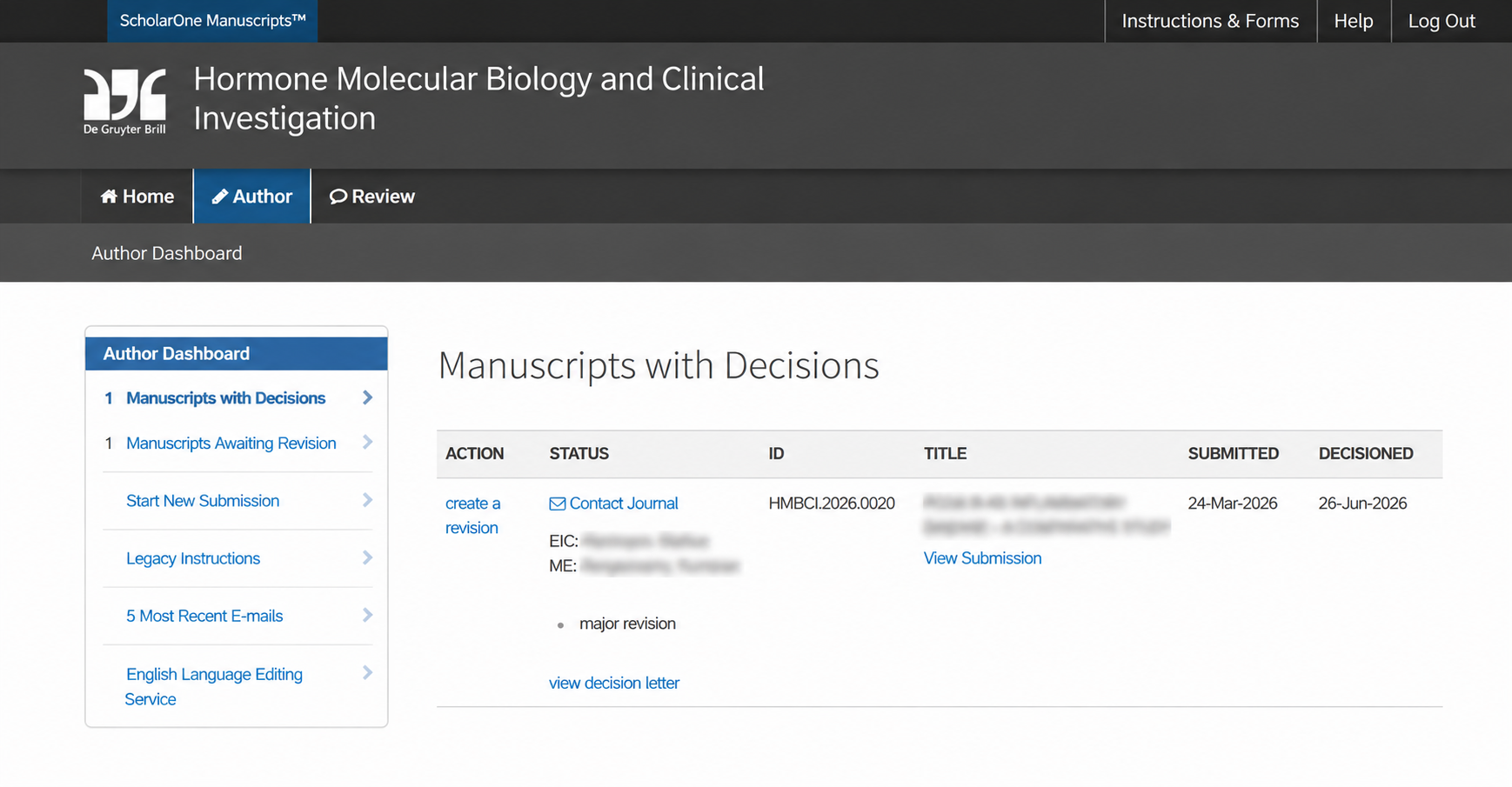
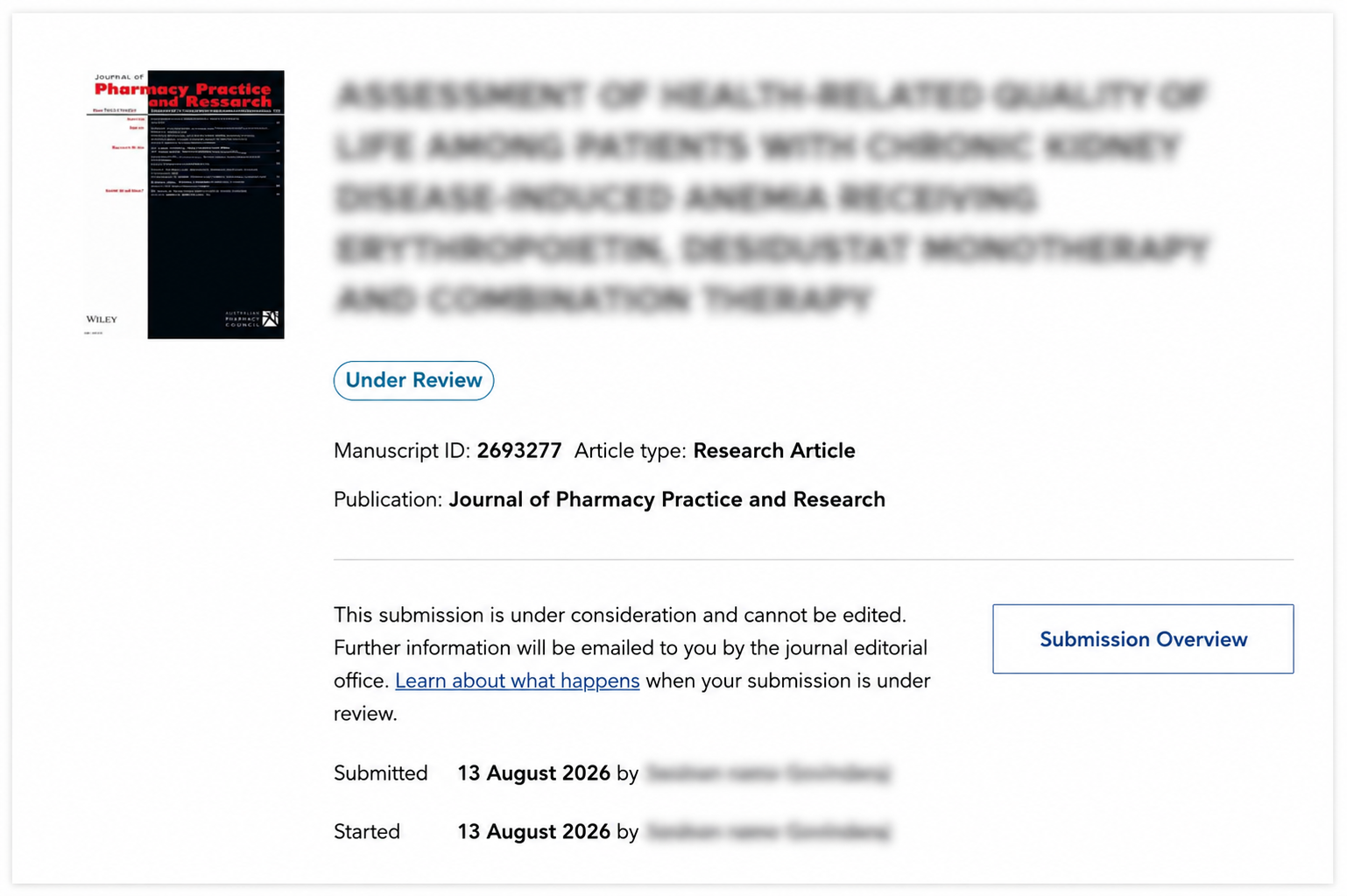
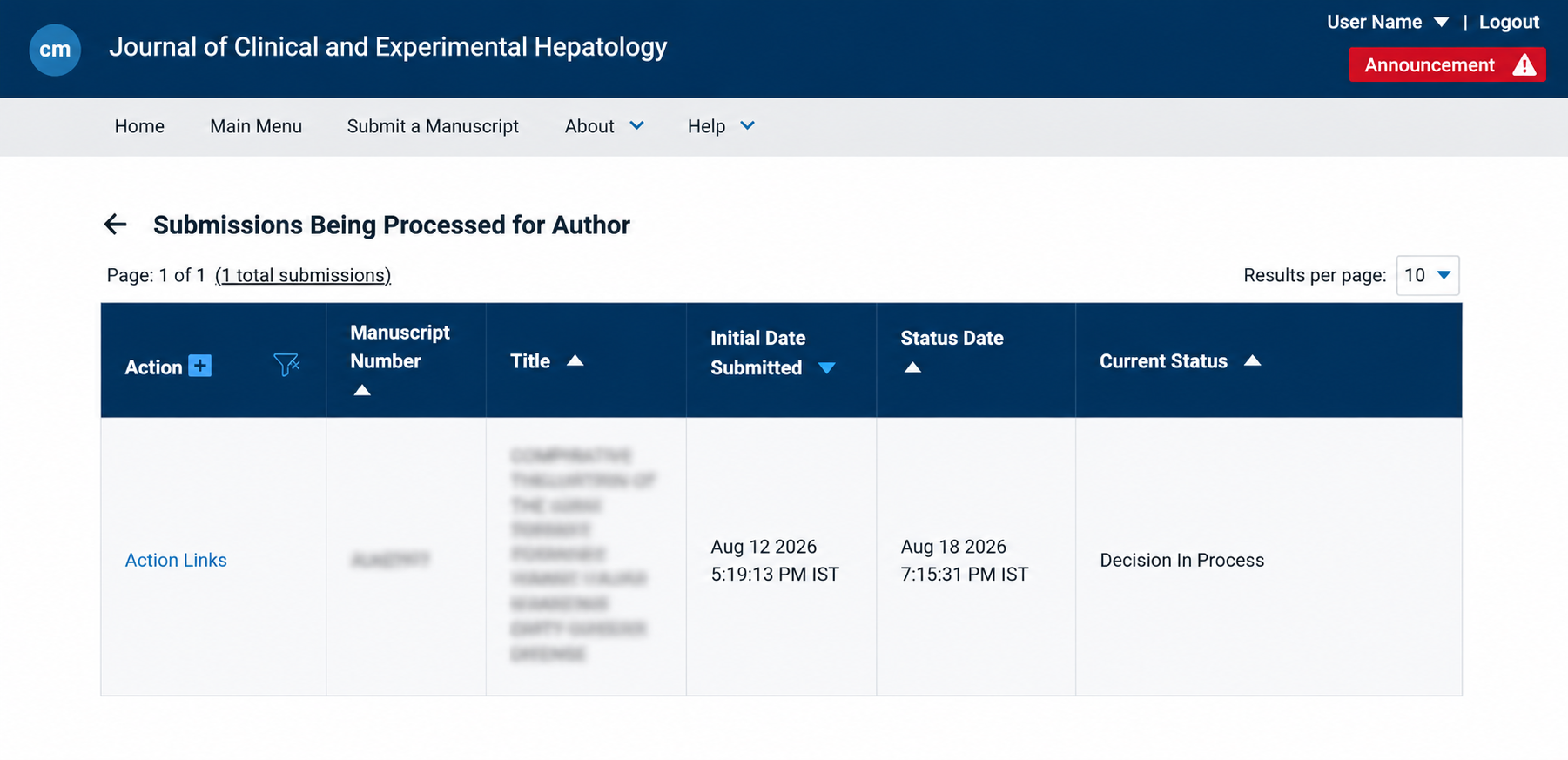
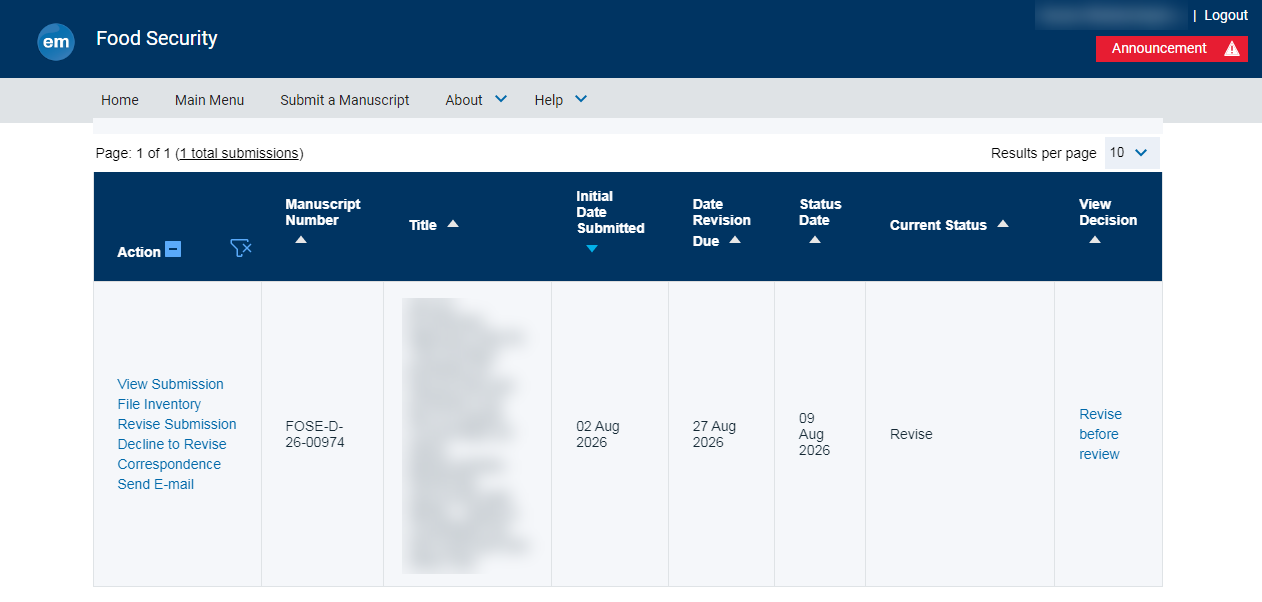
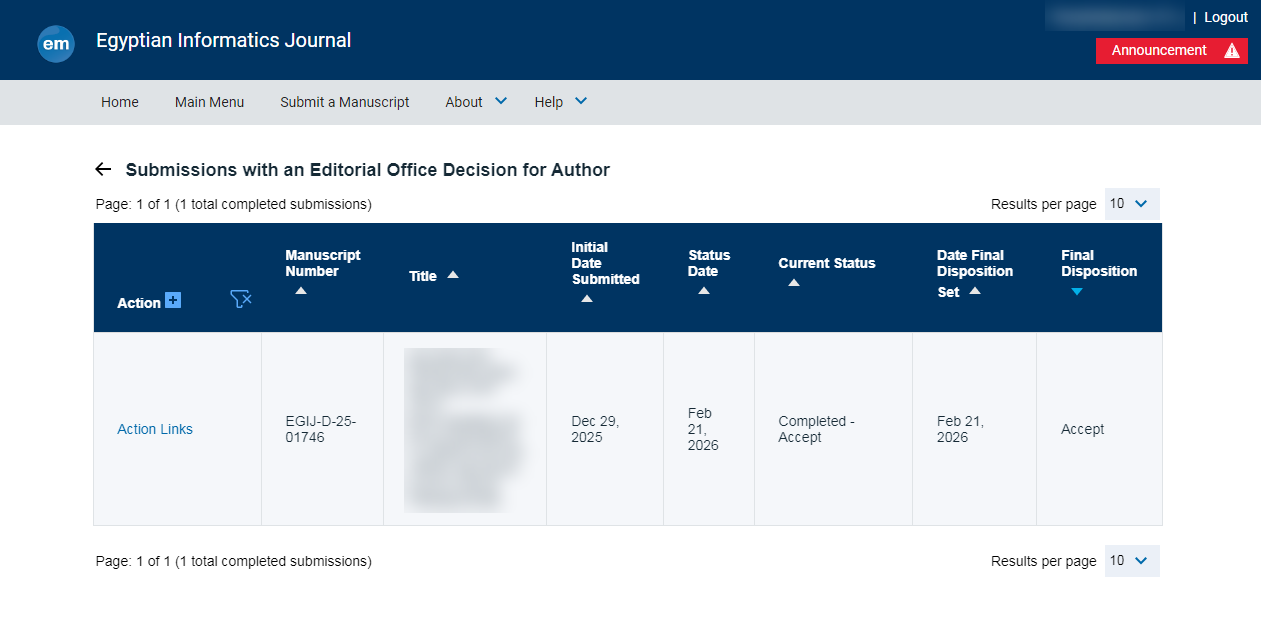
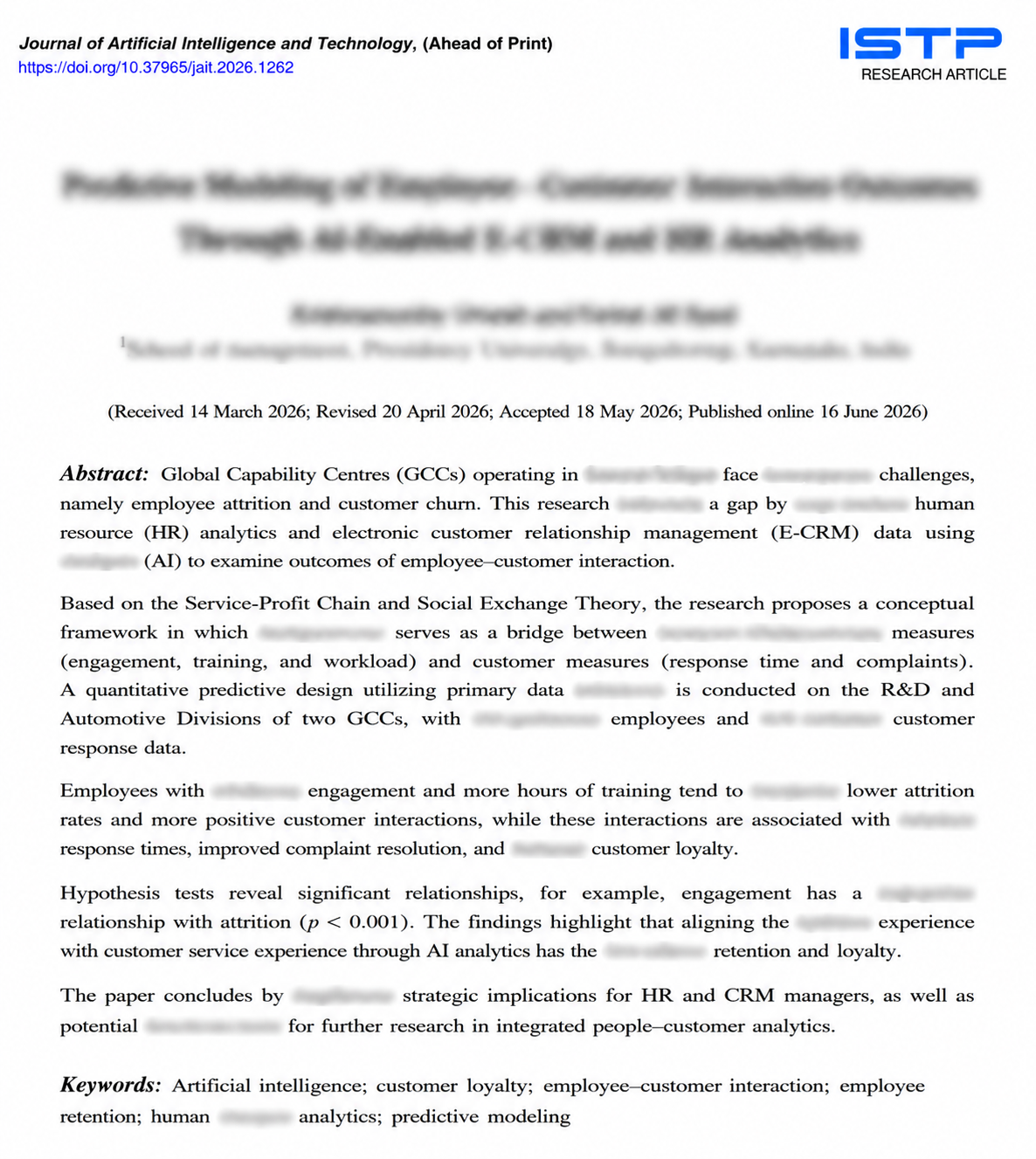
Real Reviewer Comments (Screenshots & Examples)
Seeing real reviewer feedback provides crucial context on how peer reviewers phrase their critiques and where methodological issues are typically raised.
FREQUENTLY ASKED QUESTIONS
Conclusion
Responding to reviewer comments well isn't about winning an argument with the reviewer — it's about demonstrating, point by point, that you took the feedback seriously. Where a comment identified a real gap, the response shows what changed and where. Where you disagreed, the response explains why, using evidence rather than assertion. Done carefully, a response letter becomes less of an obligation and more of a tool: it's often the clearest evidence an editor has that the authors engaged honestly with the review process, and that the manuscript is genuinely stronger for it.
Reviewer Says: "The methodology is unclear."